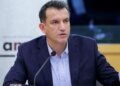


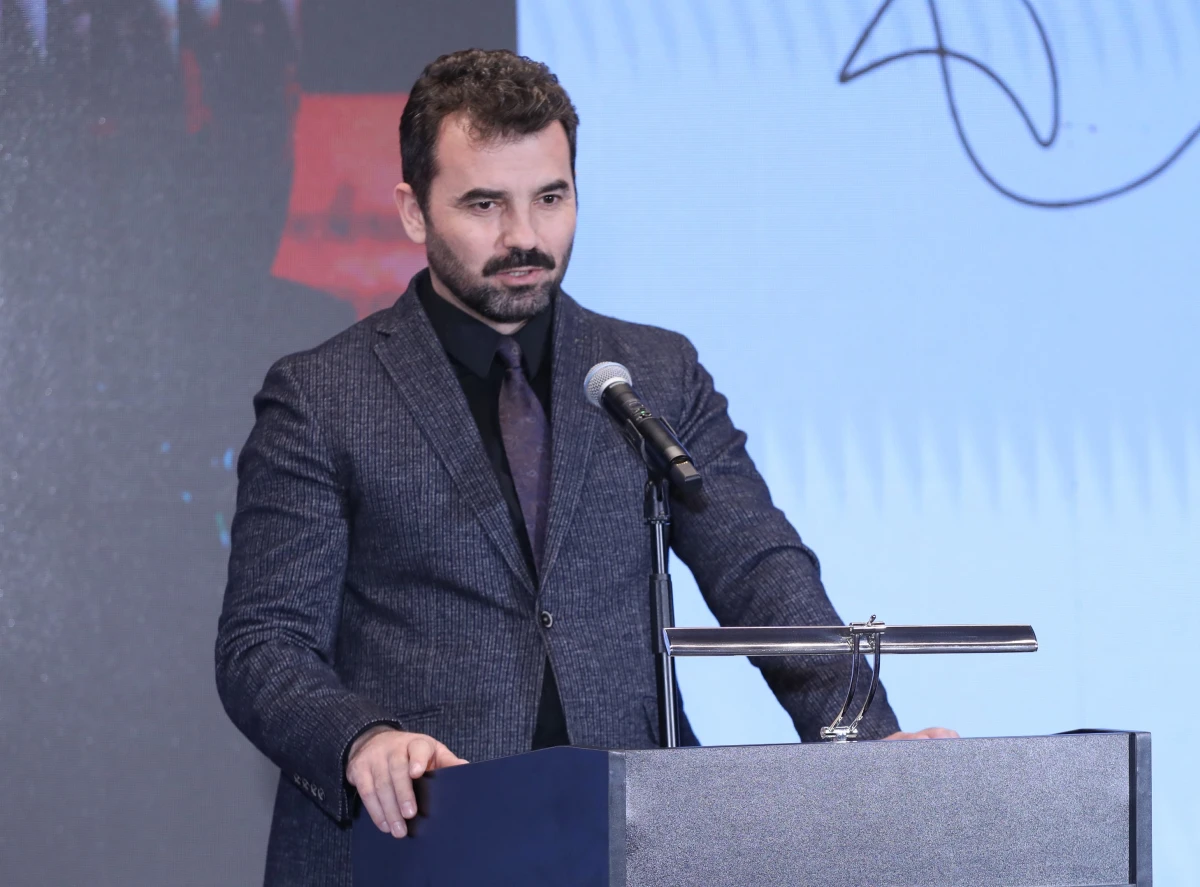
Agron Demi, the founder of the “Atlas” Institute, has raised concerns about the increasing poverty levels in Kosovo, citing figures from the acting Minister of Finance, Hekuran Murati. Recently, Murati announced that 90,000 vulnerable families have received subsidies for their electricity bills during a winter program covering six months from October to March. He emphasized that if Vetëvendosje secures another term, one of their first decisions will be to reinstate support for families that conserve electricity, a measure that previously aided over 200,000 households.


Demi interprets these statistics as indicative of the growing financial distress faced by residents of Kosovo. With approximately 353,000 families registered in the recent census, Demi estimates that over 25% find themselves in a financial condition that warrants government subsidies. He pointed out that the last poverty measurement in Kosovo was conducted in 2017, reporting a poverty rate of 17%. Since then, the region has endured the impacts of the pandemic and a subsequent price crisis, yet there has been no recent assessment of poverty levels.
Demi’s findings suggest that the ongoing financial struggle afflicting many families reflects a broader trend of rising poverty, a situation echoed in various countries post-pandemic. According to the criteria set for receiving subsidies, families must earn no more than 150 euros per member and possess no real estate valued over 100,000 euros.


In summary, as families increasingly rely on government assistance for their utility bills, Demi emphasizes the urgent need to address the rising poverty rate, which has likely intensified due to economic challenges in recent years. The situation poses significant implications for the social and economic landscape of Kosovo, meriting attention from both policymakers and the public.